A pipe that matches the nominal size can still fail the project if its grade, wall thickness, end preparation, coating, or certification does not match the service. By the end, you will be able to define the duty, compare pipe materials and manufacturing routes, write a complete purchase specification, and check supplied material before installation.
Key takeaways
- Match pipe material to pressure, temperature, fluid, corrosion, and structural loads.
- Specify grade, wall thickness, outside diameter, ends, length, and standard.
- Confirm coating and galvanizing requirements before fabrication or installation.
- Check heat numbers, test certificates, dimensions, and traceability at receipt.
Define the Service Before Choosing the Pipe
A pipe is suitable only when its material, wall, joints, and protection match the service and site. Piping material selection must start with design pressure, temperature, fluid service, corrosion exposure, soil conditions, and structural loads—not with “carbon steel” or “Schedule 40” alone.
Confirm these inputs before requesting a quotation:
- State the design pressure and pressure rating, including surge, vacuum, and the governing code. Schedule identifies a dimensional series; it is not a universal pressure rating. Allowable pressure also depends on material strength, design temperature, weld quality, corrosion allowance, and code rules.
- Define the temperature range, including startup, shutdown, fire exposure, and thermal cycling. High-temperature industrial piping may require a material standard such as ASTM A106 rather than a description that permits welded or lower-temperature products.
- Identify the fluid service: water, steam, hydrocarbons, chemicals, slurry, potable water, or sour gas. Hydrogen-sulfide service requires ISO 15156/NACE MR0175 controls for hardness, heat treatment, strength, and qualified alloys.
- Record internal corrosion, external atmospheric corrosion, and buried corrosion. Select coating, lining, corrosion allowance, cathodic protection, or a more resistant alloy accordingly.
- For buried infrastructure projects, assess soil resistivity, moisture, chlorides, sulfates, settlement, and groundwater. Add structural loads from traffic, supports, seismic movement, wind, and thermal expansion.
| Condition | Specify | What goes wrong if ignored |
|---|---|---|
| Pressure and temperature | Design cases and code | Leakage, rupture, or accelerated creep |
| Fluid service | Chemistry, solids, H₂S, cleanliness | Corrosion, cracking, or contamination |
| Site loading | Soil, supports, traffic, seismic forces | Buckling, sagging, or joint failure |
Compare Material Grades and Seamless Construction
Choose GI pipe for water lines exposed to ordinary outdoor moisture, where zinc provides initial corrosion resistance and installation benefits outweigh coating repairs. Choose MS pipe for low-cost, non-corrosive, painted structural or utility service.
“Carbon steel pipe” is the broader material category; confirm the grade, wall thickness, and temperature rating rather than treating MS as a complete specification.
| Option | What it means | When it applies |
|---|---|---|
| GI pipe | Carbon steel coated with zinc | Above-ground water, drainage, and general outdoor service; repair cut or threaded areas because exposed steel will rust |
| MS pipe | Low-carbon steel with limited inherent corrosion resistance | Fabrication, structural supports, air, and protected utility lines where painting is practical |
| Carbon steel pipe | Carbon-manganese steel selected by a named specification | Pressure, process, and infrastructure service after checking temperature, fluid, coating, and code requirements |
| Alloy steel pipe | Steel containing deliberate alloy additions for elevated temperature, strength, or particular environments | High-temperature or demanding pressure service; alloy content alone does not qualify it for sour service under ISO 15156/NACE MR0175 |
| Seamless pipe | Manufactured without a longitudinal weld | High pressure, high temperature, cyclic loading, or critical service where weld inspection and uniformity justify its cost |
| Welded pipe | Formed plate or strip joined along a seam | Large diameters, moderate pressure, and projects where cost, availability, and weldability matter more than seamless construction |
ASTM A106 specifies seamless carbon-steel pipe for high-temperature service; ASTM A53 covers welded and seamless pipe. Reject “A106 welded pipe” until the requirement is clarified. A stainless grade also needs ASME B36.19M dimensions, not an assumed B36.10M schedule. Finalise service life through coating, inspection, and fabrication controls—not grade name alone.
Write the Dimensional and Standards Specification
Put the nominal pipe size (NPS), outside diameter, wall thickness or schedule, pipe length, end preparation, material standard and grade, manufacturing route, testing, coating condition, and governing code on the purchase order. “Carbon steel, Schedule 40” is incomplete: schedule defines a dimensional series, not a universal pressure rating.
Use these dimensional terms precisely:
- Order pipe by nominal pipe size and schedule, then confirm the dimensional table. ASME B36.10M covers welded and seamless wrought-steel pipe; ASME B36.19M covers stainless-steel pipe and uses separate schedule designations.
- Order tube by outside diameter and wall thickness. Do not substitute tube for pipe: flange, valve, thread, clamp, and fitting dimensions can fail to match even when flow area looks similar.
- Identify a structural square tube separately from process pipe, including its side dimensions, wall thickness, length, grade, and structural standard.
- State whether threaded, plain, bevelled, grooved, or flanged ends are required. Confirm wall suitability, thread form, engagement, and joint rating before ordering threaded pipe.
Standard and grade wording must also be exact.
| Specification | What to state | What it controls |
|---|---|---|
| ASTM A53 | Grade, welded or seamless route | General mechanical and pressure pipe |
| ASTM A106 | Grade and seamless construction | High-temperature service |
| API 5L | PSL1 or PSL2, grade, pipe type, tests | Pipeline requirements and traceability |
| IS standards | Full IS number, grade, and revision | Indian project compliance |
Never describe welded pipe as ASTM A106. State the applicable design code, corrosion allowance, length tolerance, test category, and supplementary requirements.
Plan Galvanizing, Coating, and Field Fabrication
Treat galvanizing as a fabrication constraint, not a finish added at dispatch. Cutting, threading, and welding interrupt zinc coating continuity, so specify how each exposed area will be cleaned and repaired before pipe reaches site.
- Cutting: preserve heat identity on each cut piece, remove burrs, and protect bare steel immediately. A saw kerf and cut-length tolerance also affect spool fit.
- Threading: confirm wall class, thread form, engagement, material compatibility, and complete-joint pressure rating. Matching nominal size alone does not make light-wall pipe suitable.
- GI pipe welding: remove zinc from the weld zone, control fumes with ventilation and respiratory protection, then clean slag, spatter, and contamination before repair. Weld near coated surfaces only under the approved hot-work procedure.
Do not count mill scale as corrosion protection. For wet, marine, chemically aggressive, or buried service, define surface preparation, primer or coating system, storage protection, and field repair separately; inspect the finished film with holiday testing where the coating specification requires it.
A zinc-rich repair coating needs a clean, suitably roughened surface, not loose scale or oil.
Choose the installation location with the protection system in mind. Indoor service with controlled humidity may suit galvanized or painted steel, while buried service requires compatibility with soil, wrapping, cathodic protection, and drainage. Submerged service demands a specified immersion coating system and inspection regime; a factory zinc finish alone is not an automatic approval.
Reserve cutting and welding for a controlled shop when possible, reducing field repair and restoring protection consistently.
Verify Certificates, Testing, and Traceability at Receipt
Quarantine each delivery until the material test certificate (MTC), also called a mill test report, matches the physical pipe. Check the specified grade, dimensions, chemical composition, mechanical properties, and hydrostatic test result against the purchase order. A certificate without matching identification does not establish traceability.
- Match the heat number or cast number stamped, stencilled, or tagged on every length or bundle to the MTC and the stockist’s receiving record.
- Photograph markings before cutting, repainting, bundling, or relabelling. Transfer the original heat number to every cut length and new bundle, or the identity chain is broken.
- Check whether the order requires radiography, ultrasonic testing, hardness testing, impact testing, or another examination. A hydrostatic test proves pressure containment under its test conditions; it does not prove full-length weld soundness, lamination control, toughness, or complete material compliance.
- Require supplier inspection before dispatch for critical orders, and give Vikram And Company written instructions to preserve heat-number markings through storage and cutting.
| Certificate type | Who validates it | What to confirm |
|---|---|---|
| EN 10204 3.1 | Manufacturer’s authorised inspection representative, independent of production | The certificate covers the supplied heat and reports the specified tests |
| EN 10204 3.2 | Manufacturer’s representative plus the purchaser’s authorised representative or officially designated inspector | The additional independent validation is documented |
A supplier’s claim that pipe is “certified” does not satisfy an EN 10204 3.2 requirement unless that second validation appears on the document. Reject or hold any item whose marking, certificate, or stock record cannot be reconciled.
Related products
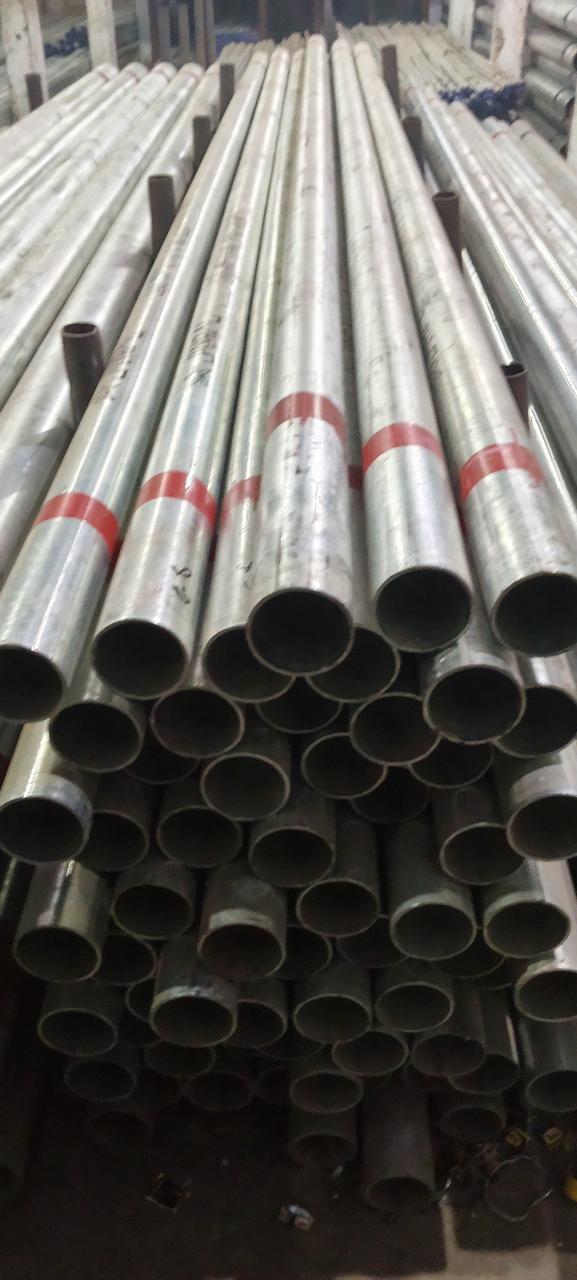 | GI Pipes We supply GI round pipes as part of our range of galvanized iron piping solutions for industrial and project requirements. View product → |
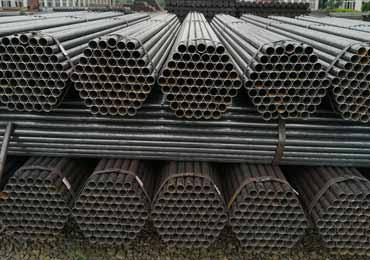 | MS Pipes We supply mild steel round pipes for industrial and project-related sourcing requirements. View product → |
Frequently asked questions
What should you define before choosing a piping material supplier?
Define design pressure, operating temperature, fluid service, corrosion exposure, soil conditions, structural loads, joint requirements, and protection needs.
How do you compare pipe grades and seamless construction?
Compare the specified material grade, pressure and temperature duty, corrosion conditions, manufacturing method, weld requirements, and applicable standard.
Which pipe dimensions and standards belong in a purchase specification?
State outside diameter or nominal pipe size, wall thickness or schedule, length, end finish, dimensional tolerance, grade, manufacturing standard, and inspection requirements.
What documents and checks should you complete when pipe arrives?
Match heat numbers to mill test certificates, inspect markings and dimensions, verify test results, and record coating condition and delivery traceability.
Related products
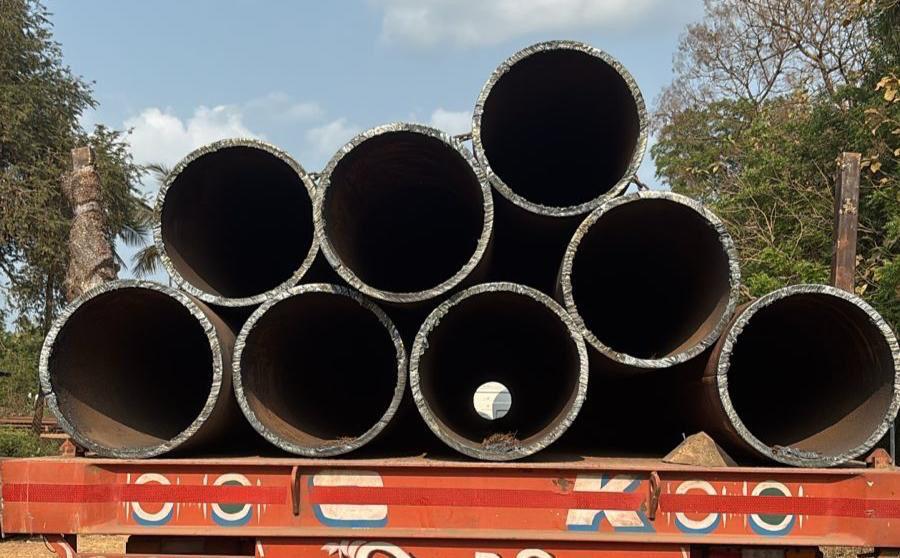 | Seamless Pipes We supply MS/CS seamless pipes for customers seeking seamless pipe solutions for industrial and project requirements. View product → |
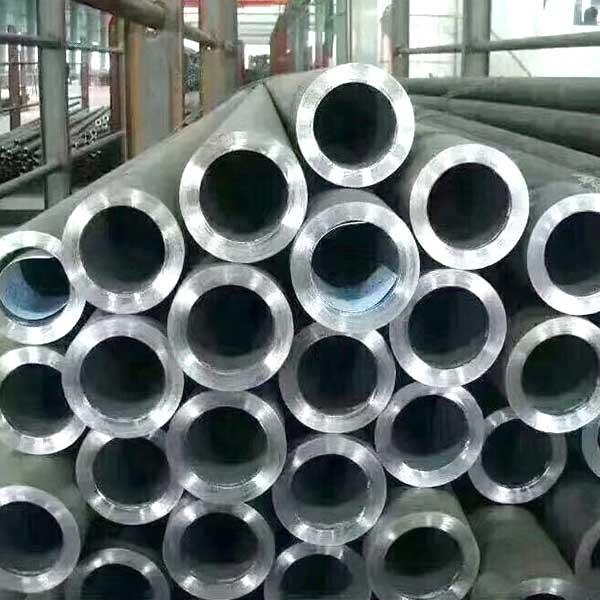 | Alloy Steel Pipes & Products We supply alloy steel pipes as part of our alloy steel product range for industrial and project sourcing requirements. View product → |
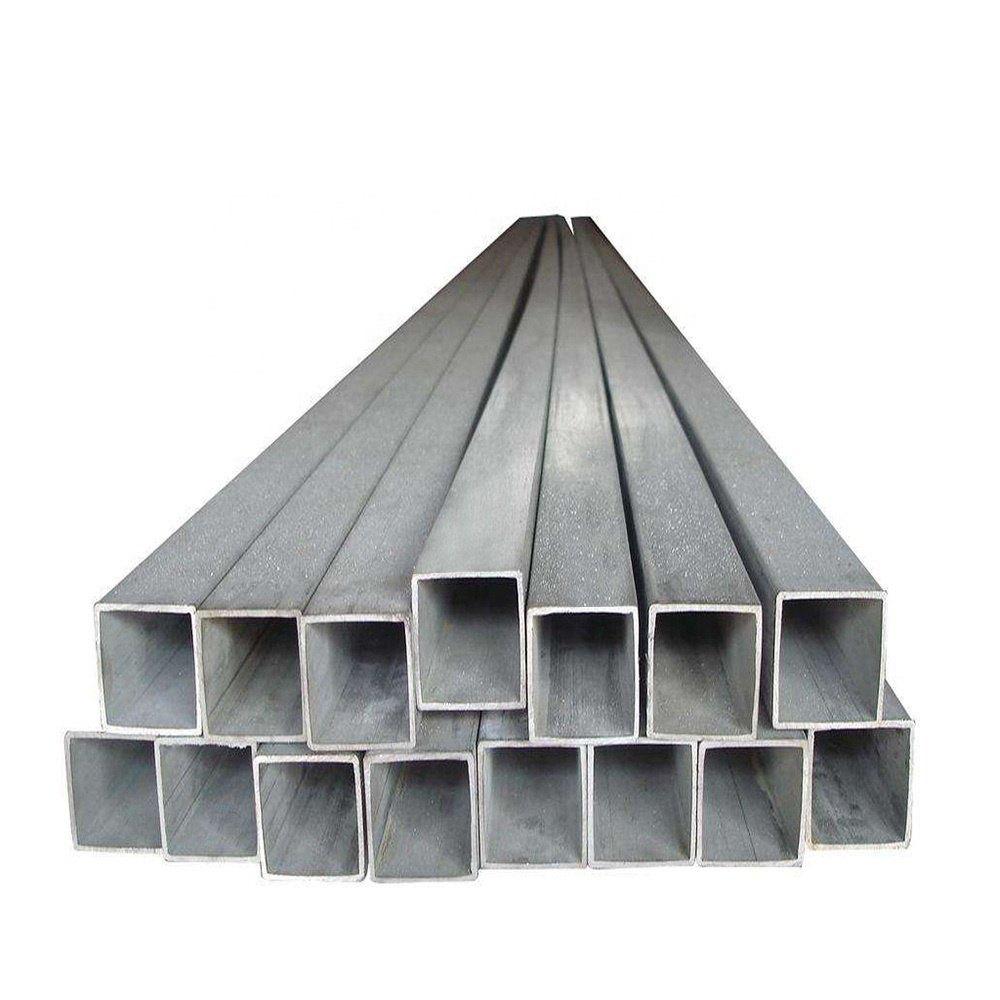 | GI Pipes We supply GI square pipes as part of our galvanized iron pipe range for businesses seeking dependable industrial piping solutions. View product → |
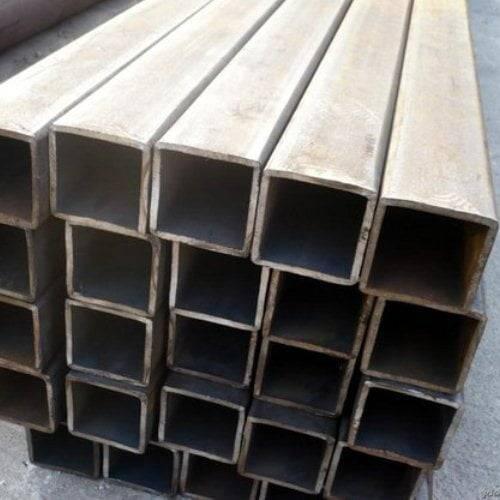 | MS Pipes We supply mild steel square pipes as part of our MS piping range for industrial, commercial, and project sourcing requirements. View product → |