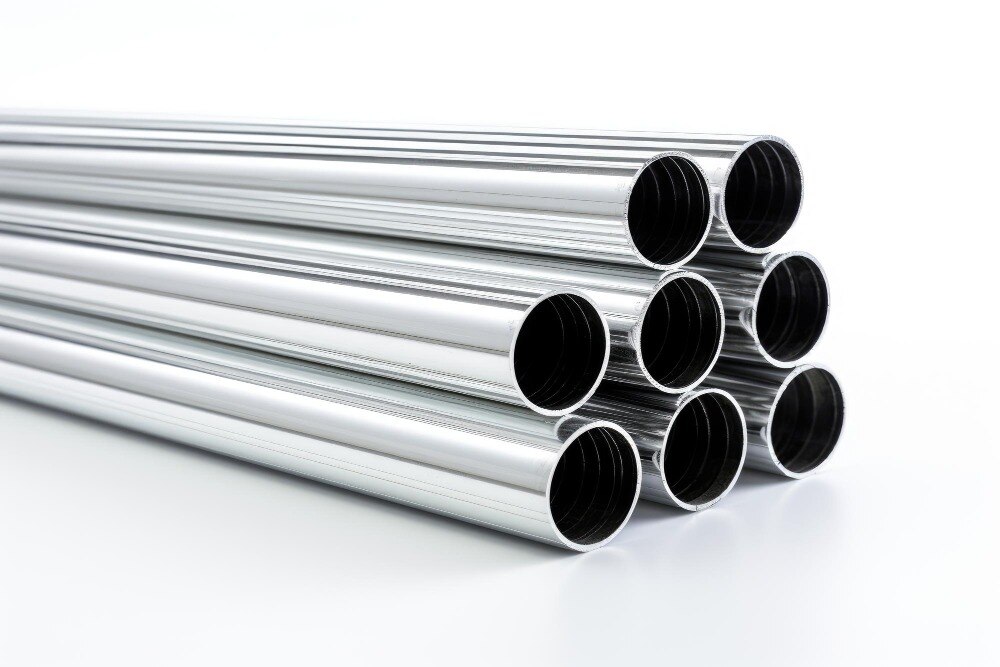
A seamless tube removes the longitudinal weld found in ERW and other welded products, but that feature alone does not prove pressure capability, corrosion resistance, or code compliance. You will be able to decide when seamless construction earns its higher cost, define the tube precisely, and check whether the supplier’s documents support your engineering requirements.
Key takeaways
- Choose seamless tube for pressure, thermal cycling, or critical service conditions.
- Reject seamless tube when welded tube meets the design code and lowers cost.
- Specify grade, outside diameter, wall thickness, length, end finish, and test requirements.
- Request mill certificates, heat numbers, traceability records, and inspection results.
What does seamless construction change in engineering service?
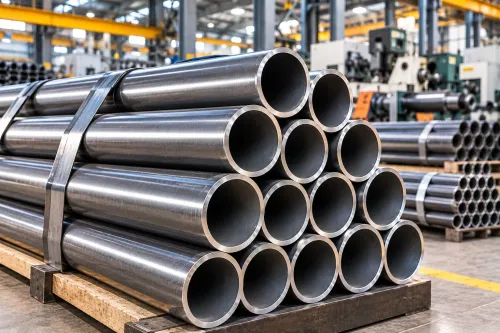
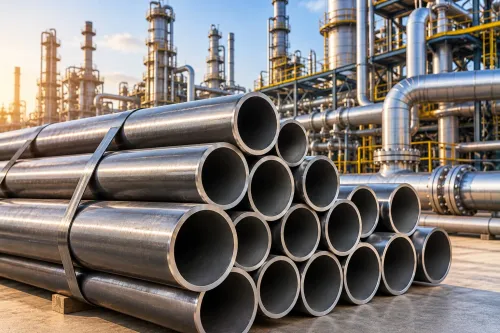
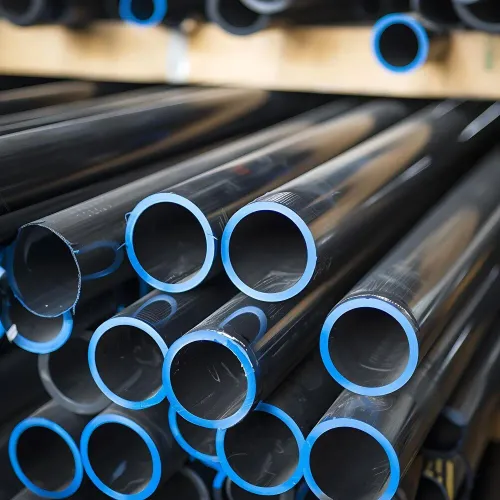
Seamless construction removes the longitudinal weld and its weld-affected zone from the tube wall. A seamless steel tube is pierced and formed from a solid steel billet, rather than rolled from strip joined along a longitudinal weld. That removes one source of seam discontinuities, weld-zone corrosion, and inspection concerns during repeated pressure or thermal cycling.
This is why engineers consider seamless tube for high-pressure service, high-temperature piping, hydraulic systems, boilers, and critical process lines. The manufacturing route does not make the tube defect-free: billet-origin laminations, laps, inclusions, eccentric wall thickness, and surface cracks still require control.
For a demanding application, check these points before treating “seamless” as evidence of suitability:
- Confirm the product standard. ASTM A106 requires specified chemistry, tensile properties, elongation, dimensional tolerances, and hydrostatic or nondestructive examination results.
- Confirm the design code. ASME B31.3 governs process-piping design, fabrication, examination, inspection, and testing; buying seamless tube alone does not establish code compliance.
- Match the tube to the service. Pressure, temperature, fluid, cycling, and corrosion conditions determine whether the grade and wall thickness are adequate.
Seamless describes how the tube was made, not its pressure rating or steel grade. A compliant product can still fail if the design calculation, inspection scope, heat treatment, or material selection is wrong.
When is seamless tube the wrong engineering choice?
Seamless is the wrong choice when the design does not depend on removing a longitudinal seam. An ERW tube meets the required strength, dimensions, finish, and inspection level for many low-pressure structural frames, handrails, supports, furniture, guards, and general fabrication jobs.
| Option | Practical advantage | Suitable application |
|---|---|---|
| ERW tube | Lower cost, wider availability, larger outside diameters, thinner walls, predictable delivery | Low-pressure frames, supports, guards, and general fabrication |
| Welded tube | Efficient for larger sizes and selected wall dimensions | Structural and industrial assemblies where seam performance is acceptable |
| Fabricated tube | Adaptable to unusual shapes, sizes, and project-specific sections | Custom frames, manifolds, and nonstandard assemblies |
| Seamless tube | Avoids a longitudinal weld when pressure or thermal cycling makes it a design concern | High-pressure, high-temperature, or critical service |
Seamless does not automatically resist corrosion better. Carbon-steel seamless tube can corrode rapidly in wet, acidic, chloride-bearing, or chemically aggressive service; alloy chemistry, temperature, fluid velocity, surface condition, heat treatment, and corrosion allowance control performance.
Compare useful service life and inspection burden, not purchase price alone. Large diameters, unusual grades, long lengths, tight tolerances, and thin walls can be harder to source seamlessly, increasing lead time, minimum order quantity, machining allowance, and cost without extending service life.
A welded tube is the practical choice when seam elimination adds no measurable benefit.
How should you define the tube before requesting a quotation?
Put a complete purchase description on the enquiry; “2-inch seamless tube” is not sufficient.
1. Identify the product as pipe, mechanical tube, or instrumentation tube, then state the outside diameter, wall thickness, grade, and applicable dimensional standard. For pipe, 2-inch is a nominal pipe size, not the measured outside diameter; Schedule 40 and Schedule 80 identify wall-thickness series.
Confirm the actual outside diameter and wall thickness against the specified standard, such as ASME B36.10M.
2. State the total length or each cut length, quantity, and supply condition. Specify hot-finished or cold-drawn product. Cold-drawn tube offers tighter outside-diameter, inside-diameter, wall-thickness, straightness, and surface-finish control, but request annealing or stress relief when forming or machining could expose residual-stress problems.
3. Describe the service: design pressure, design temperature, fluid, corrosion environment, and governing design code. ASME B31.3, for example, controls process-piping design, fabrication, examination, inspection, and testing; the word seamless does not establish code compliance.
4. Write the required inspection terms into the quotation: hydrostatic test pressure or standard, nondestructive examination method, acceptance level, calibration requirement, full-length or sampling scope, and reporting format. Specify ultrasonic, eddy-current, magnetic-particle, liquid-penetrant, or radiographic examination by name because each finds different defects.
5. Add certificate and traceability requirements, including heat number, chemical and mechanical results, dimensions, heat treatment, test reports, and certificate type. If the tube will be welded, include carbon-equivalent limits or the applicable welding procedure requirements.
Which standards, grades, and certificates prove suitability?
Suitability comes from matching the material standard to the service, not from the word “seamless” or a matching outside diameter. ASTM A106 covers seamless carbon-steel pipe for high-temperature service; ASTM A53 applies only where its product and service requirements fit.
| Standard | Intended product or service | Selection check |
|---|---|---|
| ASTM A106 | Seamless carbon-steel process pipe for high-temperature service | Confirm grade, chemistry, tensile properties, elongation, dimensions, and pressure testing |
| ASTM A53 | Carbon-steel pipe | Use only when its specified product and service requirements match the design |
| ASTM A179 | Seamless carbon-steel heat-exchanger tubes | Confirm heat-exchanger dimensions and testing requirements |
| ASTM A192 | Seamless carbon-steel boiler tubes for high-pressure service | Confirm boiler-service grade and specified examination |
| ASTM A335 | Alloy-steel pipe for high-temperature service | Select the alloy grade for temperature and corrosion demands |
| EN 10216 | Seamless steel tubes for pressure purposes under European standards | Match the specified part, grade, dimensions, and documentation |
Do not substitute ASTM A519 mechanical tubing for ASTM A106 process pipe because the outside diameter matches. Grade selection changes weldability, toughness, temperature capability, corrosion resistance, and heat-treatment requirements.
Check the mill test certificate against the purchase order. It should show the heat or cast number, chemical composition, tensile strength, yield strength, elongation, heat-treatment condition, dimensions, hydrostatic or nondestructive test results, and applicable standard edition.
For European documentation, request EN 10204 type 3.1 when heat-specific manufacturer results are required; a generic certificate of conformity is not equivalent.
Name the examination method: ultrasonic, eddy-current, magnetic-particle, liquid-penetrant, or radiographic. Each detects different defects. Hydrostatic testing confirms pressure containment under stated conditions, not fatigue life, external-collapse resistance, weldability, or fitness for every fluid and temperature.
What should a seamless tube supplier control beyond the steel itself?
After the specification is fixed, supplier control becomes a project-risk issue. A correct-looking tube can still fail procurement if its standard, condition, testing, documentation, preservation, or cut length does not match the design.
1. Confirm the supplier will match the specified standard, grade, dimensions, supply condition, test scope, certificate level, surface preservation, and required cut lengths. Do not accept ASTM A519 mechanical tubing as an ASTM A106 process pipe merely because the outside diameter matches.
2. Require heat-number traceability after cutting. Keep pieces segregated by heat and grade, transfer the original marking to every cut section, and reject a replacement piece that has lost its heat identification even when its dimensions appear correct.
3. Check weldability before ordering tube for a manifold, frame, pressure assembly, or pipework. Review carbon equivalent or the applicable welding procedure, heat-treatment condition, cleanliness, wall thickness, and whether the mill test certificate supports the intended weld procedure.
4. Request heat-specific chemical and mechanical results, dimensions, heat treatment, and test records. For European documentation, specify EN 10204 type 3.1; a generic certificate of conformity is not equivalent. Ask how caps, wrapping, coating, and storage will prevent corrosion before installation.
Vikram And Company can help compare engineering specifications with available stock, testing records, traceability, preservation, and project cut requirements rather than treating a nominal size as a sufficient match. A capable stockist also flags a conflict such as mechanical tubing requested for process piping before material reaches fabrication.
Related products
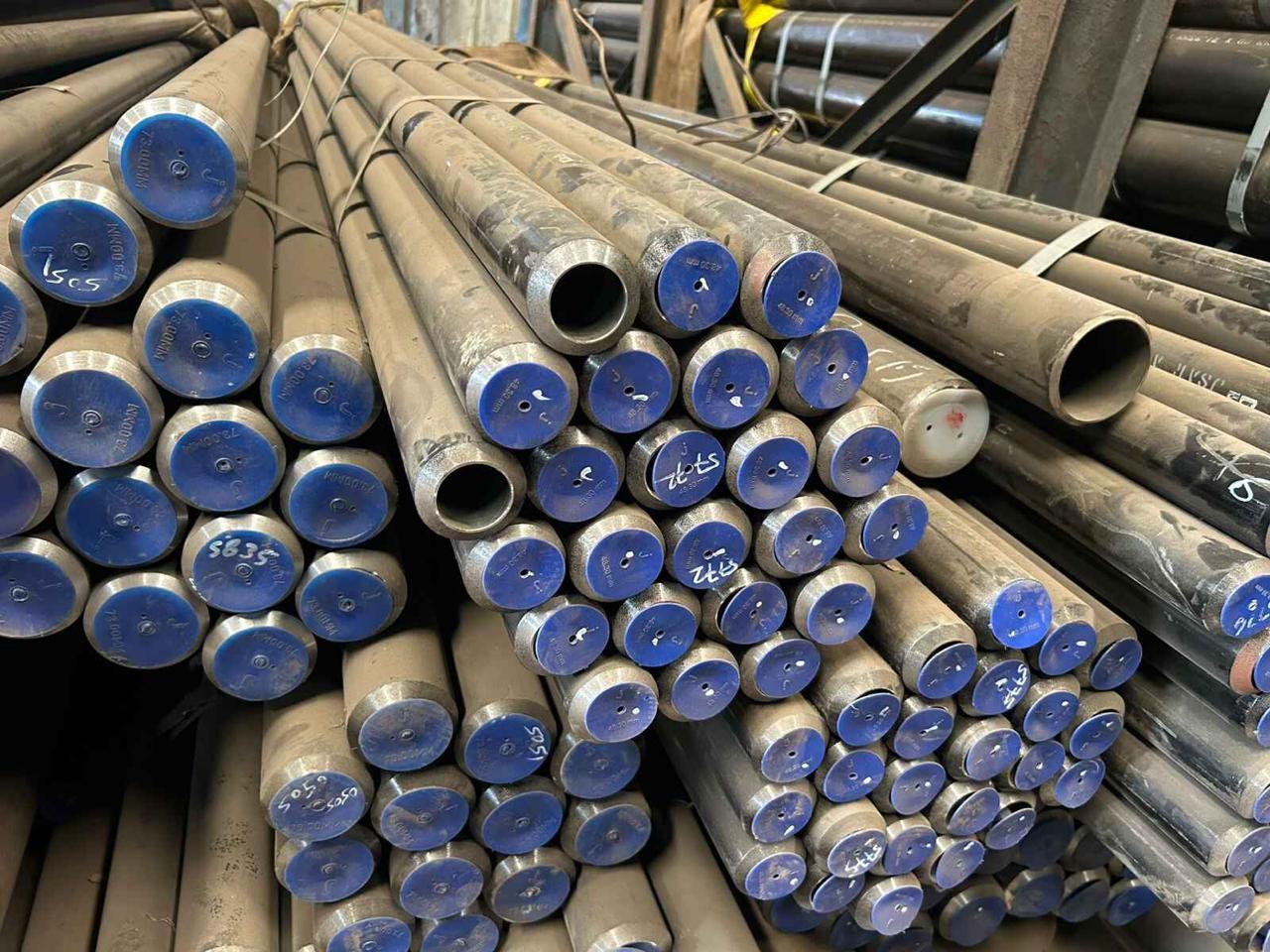 | Seamless Tubes We supply seamless tubes as part of our industrial pipe and tube range. View product → |
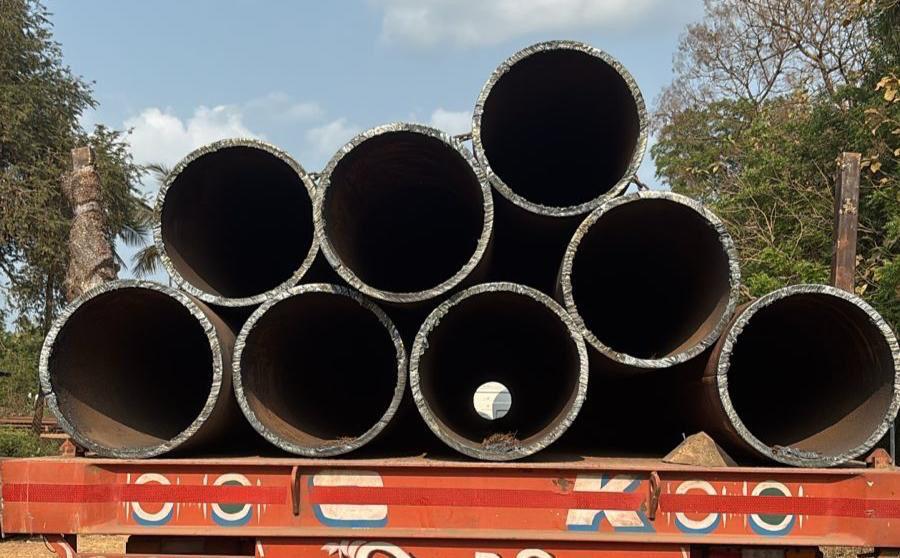 | Seamless Pipes We supply MS/CS seamless pipes for customers seeking seamless pipe solutions for industrial and project requirements. View product → |
Frequently asked questions
What does seamless construction change in engineering service?
Seamless construction removes the longitudinal weld and weld-affected zone, reducing seam-related discontinuities, corrosion concerns, and inspection issues during pressure or thermal cycling.
When is seamless tube the wrong engineering choice?
Seamless tube is the wrong choice when the design code permits welded tube and its lower cost, larger sizes, or easier availability better fit the project.
How should you define a seamless tube before requesting a quotation?
State the service fluid, pressure, temperature, corrosion conditions, grade, outside diameter, wall thickness, length, end finish, quantity, and required tests.
Which standards, grades, and certificates prove suitability?
Match the tube to the project code and specified standard, then verify the grade, heat number, chemical and mechanical results, hydrostatic or nondestructive tests, and mill certificate.
What should a seamless tube supplier control beyond the steel itself?
The supplier should control heat-number traceability, incoming inspection, storage, dimensional checks, surface condition, cutting, marking, packing, and dispatch documentation.